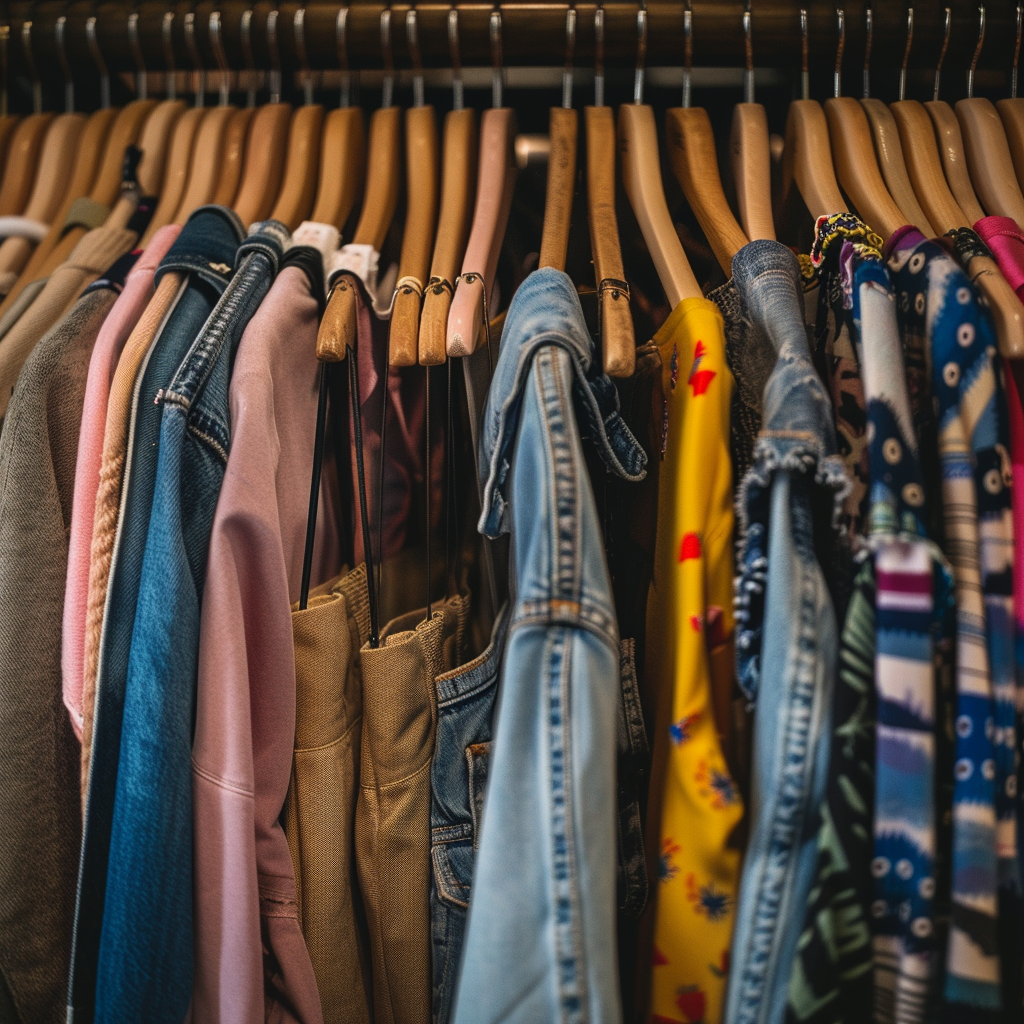
Fashion’s environmental footprint has reached critical levels, with the industry now contributing between 3-8% of global greenhouse gas emissions4. This comprehensive analysis reveals the current state of the fashion industry’s environmental impact and its implications for global climate targets.
Emissions Reality Check
The fashion sector’s carbon footprint now exceeds that of international aviation and shipping combined1. Recent data shows that for apparel brands, scope 1 emissions typically account for just 1% of their total emissions, while scope 3 represents an overwhelming 96%2.
Supply Chain Breakdown
Tier-based emissions distribution reveals the complexity of fashion’s environmental impact2:
- Raw material extraction (Tier 4): 15%
- Raw material processing (Tier 3): 24%
- Material production (Tier 2): 52%
- Finished product assembly (Tier 1): 9%
Water Crisis
The industry’s water footprint presents a severe environmental challenge. A single cotton t-shirt requires 2,700 liters of fresh water to produce – equivalent to one person’s drinking needs for 2.5 years5. Moreover, textile production accounts for approximately 20% of global clean water pollution from dyeing and finishing products5.
Economic Vulnerability
By 2030, extreme weather events could jeopardize $65 billion worth of apparel exports and eliminate nearly one million jobs in key manufacturing countries including Bangladesh, Cambodia, Pakistan, and Vietnam4. In Ho Chi Minh City alone, 55% of apparel and manufacturing sites face exposure to rising sea levels and flooding by 20304.
Waste Metrics
Current consumption patterns in Europe reveal alarming statistics:
- Europeans consume approximately 26 kilos of textiles annually
- 11 kilos per person are discarded yearly
- Only 1% of used clothes are recycled into new garments
- 87% of discarded clothing ends up incinerated or in landfills5
Industry Response
Major fashion brands are beginning to acknowledge these challenges, with 47% now disclosing emissions reduction targets verified by the Science Based Targets Initiative (SBTi) – a 13% increase from previous year2. However, 58% of brands show no clear progress on their climate targets, indicating a significant gap between commitments and action2.
Future Implications
The industry faces a critical juncture requiring immediate action. The European Commission’s new strategy demands textiles become more durable, repairable, reusable, and recyclable5. Companies are now called to invest at least 2% of their annual revenue in transitioning away from fossil fuels to renewable energy sources2.This analysis demonstrates that the fashion industry’s environmental impact extends far beyond the visible costs of production, creating a complex web of environmental and economic challenges that require immediate, systemic change.